
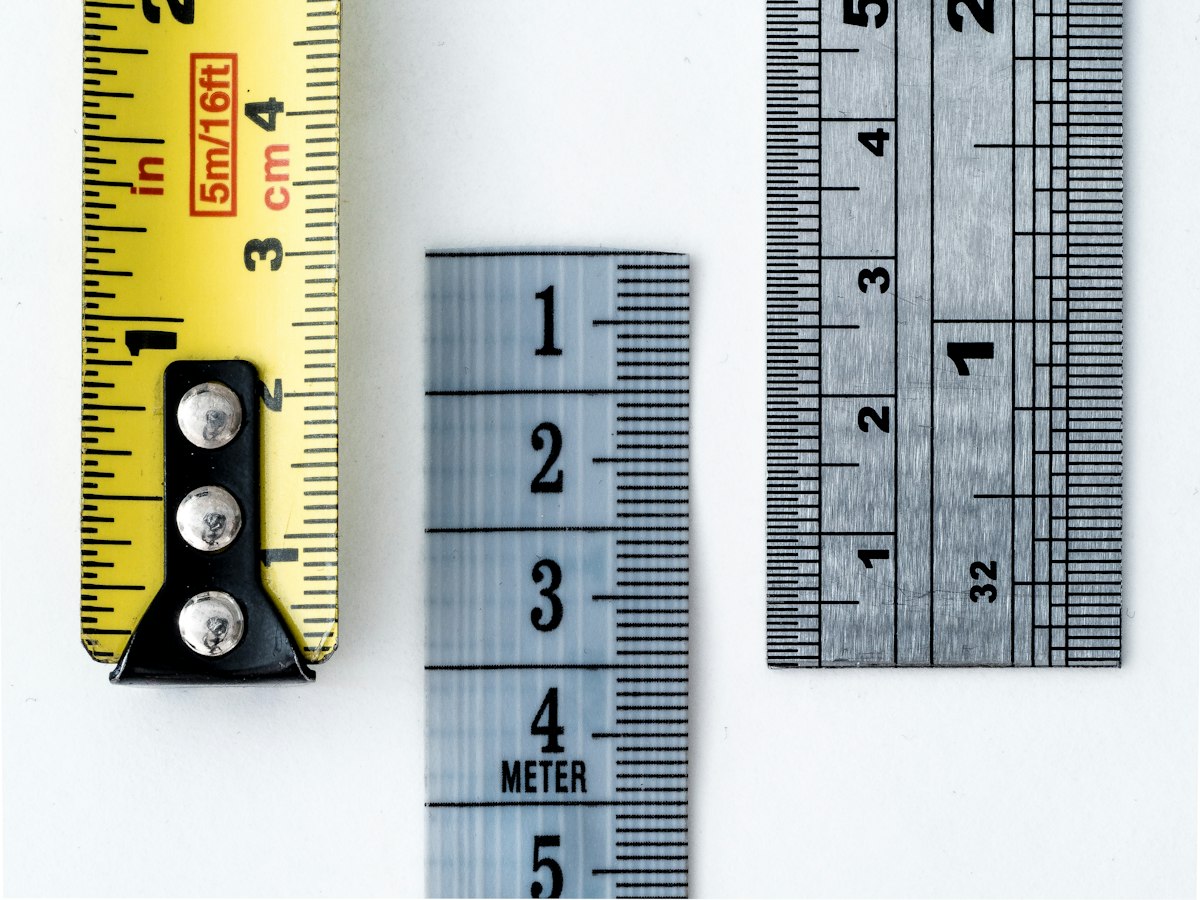
Only three countries in the world have not officially adopted the metric system: the United States, Liberia, and Myanmar. Yet if you buy a 2x4, run a 5K, check a 55-inch TV, or order a pound of coffee, you are using a system that mixes imperial relics with metric reality. This guide explains how we got here and, more practically, how to be fluent in both.
The two systems in one minute
The metric system (officially SI, Système International) is built on powers of ten. There are 1,000 meters in a kilometer, 1,000 grams in a kilogram, 1,000 milliliters in a liter. Converting inside the system is moving a decimal point.
Imperial units (and US customary units, their close cousins) evolved from body parts, farm practice, and trade custom. Twelve inches to a foot, three feet to a yard, 5,280 feet to a mile. The numbers are historical, not mathematical.
Who uses what, exactly
- Everywhere except three countries: metric is official and used in daily life, schools, and commerce.
- United States: US customary units dominate daily life. But the US has been officially metric since 1866 (Congress legalized it), metric is mandatory on medicine labels, in science, and in the military. A US customary inch is defined as exactly 25.4 millimeters.
- United Kingdom: officially metric, but road distances remain in miles, beer in pints, and body weight in stones (14 lb each). A true hybrid.
- Canada: metric officially; imperial survives in cooking (cups), construction (feet and inches), and human height.
The conversions worth memorizing
You do not need 5,280. You need a handful of anchors that make you approximately fluent:
| Approximation | Exact | Good enough for |
|---|---|---|
| 1 inch ≈ 2.5 cm | 2.54 cm | TV sizes, screws, rain |
| 1 kg ≈ 2.2 lb | 2.20462 lb | body weight, luggage |
| 1 mile ≈ 1.6 km | 1.60934 km | driving, running |
| 1 gallon (US) ≈ 3.8 L | 3.78541 L | fuel, milk jugs |
| 1 m ≈ 3.3 ft | 3.28084 ft | room sizes, height |
| °F ≈ °C × 2 + 30 | × 9/5 + 32 | weather (±2° accuracy) |
The Fahrenheit mental shortcut (double it and add 30) is wrong by at most a couple of degrees between -10 °C and 35 °C, which covers essentially all weather you will ever check. For ovens and fevers, use the exact Celsius to Fahrenheit converter.
Why the US never switched
Not resistance to change: infrastructure. Every road sign, every threaded bolt, every recipe card, every factory tool represents metrication cost. The US Metric Board (1975-1982) pursued voluntary conversion and was defunded when it became clear industry would not move without a mandate. The 1994 Fair Packaging Act required dual labeling, so American grocery shelves have been quietly bilingual for 30 years: "16 FL OZ (473 mL)".
The deeper answer: Americans convert less often than everyone else, so the daily cost of staying customary is low, while the one-time cost of switching is enormous. Metric countries face the reverse in reverse.
Where mixing systems gets expensive
- NASA's Mars Climate Orbiter (1999): lost, $327 million, because Lockheed Martin's software used pound-force seconds while JPL's used newton-seconds.
- Gimli Glider (1983): an Air Canada 767 ran out of fuel mid-flight because fuel was calculated in pounds against a kilogram reading. The crew landed it on a drag-strip; everyone survived.
- Medicine: dosing errors per pound vs kilogram are a persistent hospital safety issue, which is why doses are now per kg by law in most countries.
Practical fluency: think in anchors, not formulas
Fluent bilinguals do not convert, they calibrate. They know that 180 cm is a tallish man, that 100 km is a one-hour highway drive, that 20 °C is light-jacket weather, that a pound of meat feeds three. Build 20 of these anchor feelings (our category guides each include them) and you will reach for a converter only when precision actually matters, which is exactly what our tools are here for.
Convert right now