
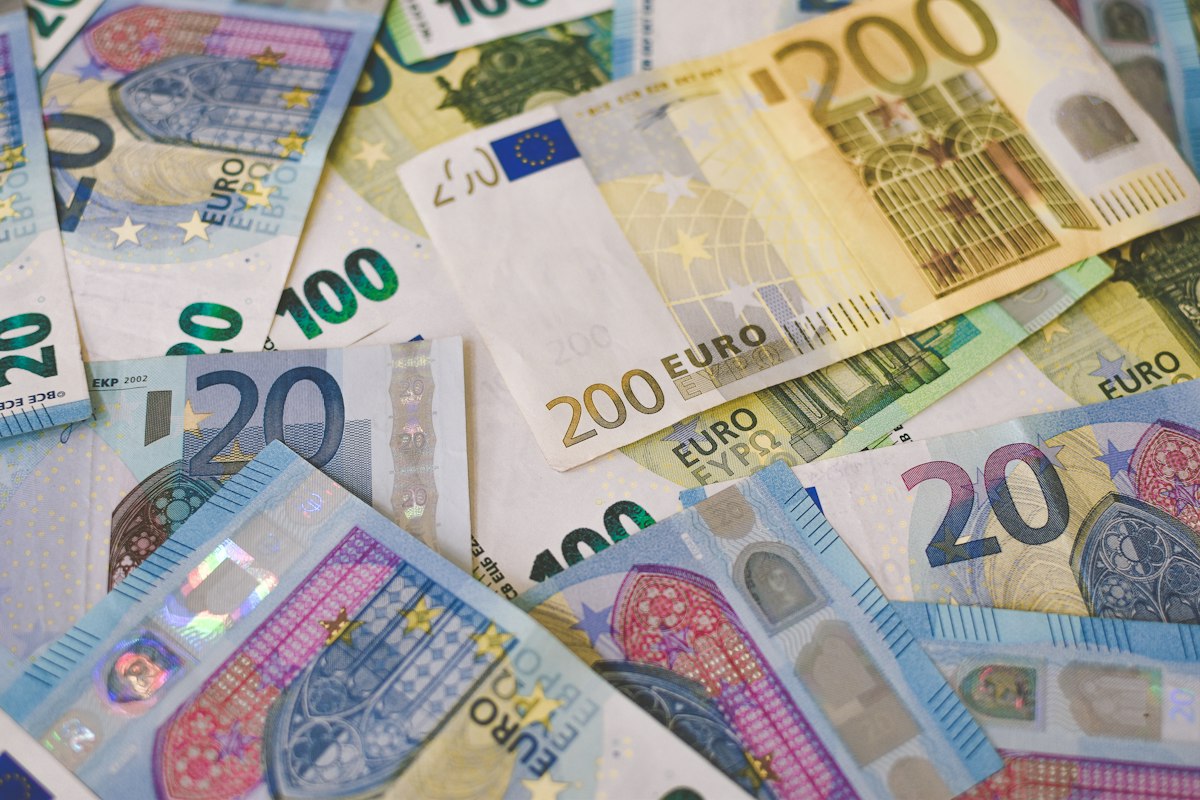
The rate you see on this site and the rate your card charges are never the same number. That gap, not the rate itself, is where most travelers lose money. This guide explains both numbers and how to use each.
Where the reference rate comes from
Our currency converter uses the European Central Bank reference rate, published once per business day at about 16:00 CET. It is the rate at which commercial banks exchanged large amounts with the ECB that day. It has no spread and no fees: it is the "wholesale truth" of what a euro was worth that afternoon.
- Weekend and holiday pages show Friday's rate; markets are closed
- Rates move continuously in trading; the reference rate is one snapshot, not a live market price
- Crypto and gold "rates" come from completely different markets; never compare them to fiat reference rates
Why your card's rate is worse
Three layers stack between you and the reference rate:
- Card network rate (Visa/Mastercard): typically within 0.1-1% of the market rate on the day of settlement. Good.
- Issuer fee: your bank adds 0-3% "foreign transaction fee". EU consumer cards are capped at the interbank rate plus a small premium by regulation; many German and Dutch fintech cards charge 0%.
- Dynamic currency conversion (DCC): the terminal asks "charge in your home currency?" Always decline. The merchant's conversion typically costs 3-8% and rounds against you. Choose the local currency, every time.
Realistic planning number: assume 1-3% total cost on card payments, and 5-10% worse at airport exchange kiosks. The reference rate tells you the truth; your statement tells you the tax.
Budgeting a trip without spreadsheet dread
- Get today's reference rate for your home currency (e.g. 1 EUR = 1.16 USD)
- Add a 3% fudge factor: multiply by 1.03. That is your "real" planning rate
- Convert the anchors you will actually spend: hotel 120/night, dinner 40, transit 3.50
- Round up to clean numbers and stop checking the rate daily for a one-week trip; it cannot move enough to matter
Reading exchange-rate moves like an adult
- A 1% daily move is noise; rates do this every day. Do not time a one-week trip on it
- Central bank decisions, inflation releases, and geopolitics move rates 1-3% in a day occasionally
- For large transfers (house purchase, salary), a 2% timing difference can dwarf every fee: this is the one case where timing matters
- "Locked-in" tourist rates quoted on the street are always worse than they look; there is no arbitrage booth for tourists
Quick anchors (EUR base, mid-2026 era)
- 1 EUR ≈ 1.1-1.2 USD, 0.83-0.86 GBP, 155-165 JPY
- Check the live currency converter instead of trusting stale anchors; it uses the latest ECB snapshot
- The ¥ trap: Japanese prices in yen look enormous (a 1,500 yen lunch). 1,500 JPY ≈ 9 EUR